
Sewari…..what is it?
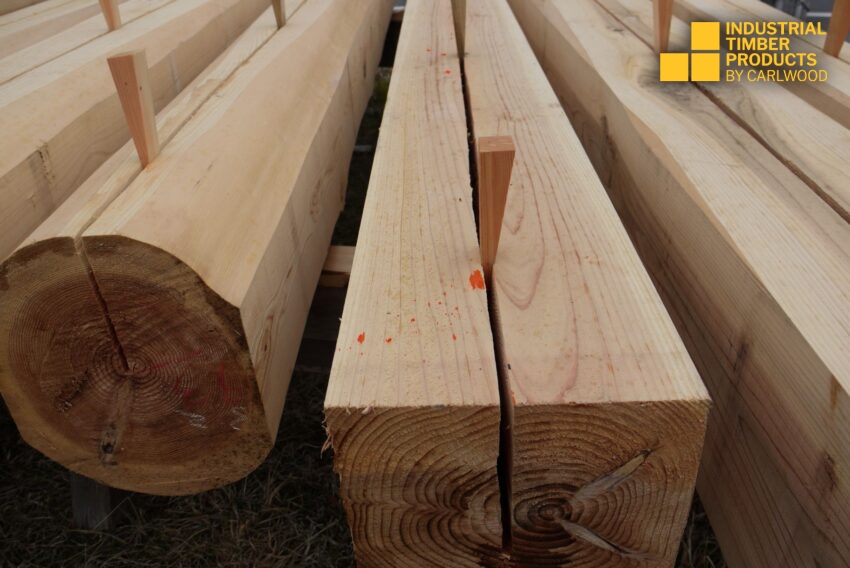
“SEWARI” is a traditional Japanese structural timber processing technique to reduce the checking on the finished products.
Timbers warp due to drying and shrinkage. This is particularly pronounced in the heart of the timber. Heartwood timber is stronger than sapwood timber and is used for structurally strong components such as columns and beams. However, it is prone to cracking due to drying, shrinkage, and warping. To minimize this, the “SEWARI” technique is applied to heartwood timber. Even if there are no cracks at the time of installation, cracks may occur as the column dries further after use. This technique minimizes distortion and gaps in the construction area.
This method involves artificially and systematically creating cracks in the columns to prevent (or minimize) cracking in other parts of the structure. This is called “SEWARI” . A groover or saw is used to groove down the length of the piece, inducing cracks in this groove. 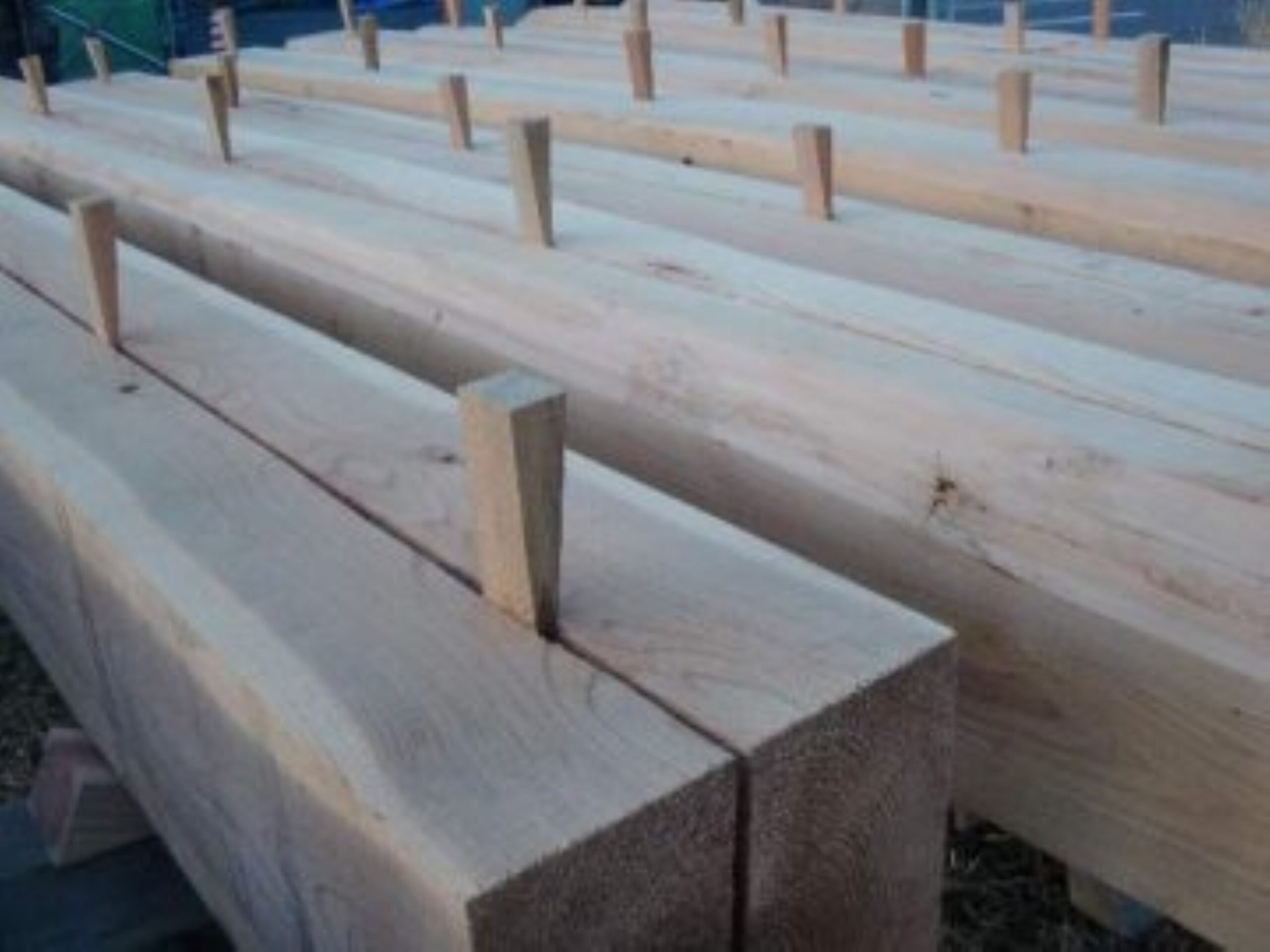
When performing this processing, it is crucial to carefully determine which side to groove. In other words, you must decide which side should face the most aesthetically pleasing and visible direction. If the grooved side is facing the wall or ceiling, it will not be visible to the eye, and the “back cut” will not be noticeable.
However, to prevent the artificially created groove from closing due to drying shrinkage after processing and installation, wedges are driven into the groove at regular intervals. This is called “KUSABI” in Japanese. If the groove closes, the effect of the groove in absorbing distortion due to drying shrinkage will be diminished, so this additional processing, “KUSABI,” is important.
How about using this for your next project?
Horyu-ji Temple in Nara Prefecture, Japan, the world’s oldest wooden building, built in 607 AD by Shotoku-Taishi.